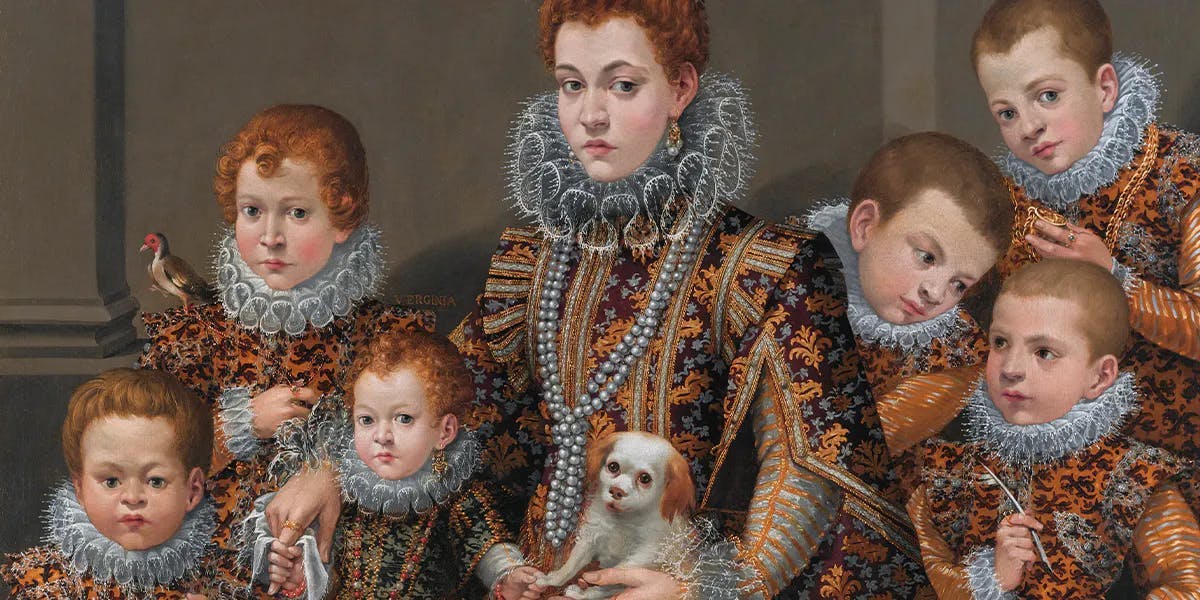
Lavinia Fontana was an Italian painter of the Late Mannerism period, born in Bologna in 1552. She inherited her passion for art from her father Prospero, also a painter (who collaborated with Giorgio Vasari on many projects), and was fortunate to meet important artists from an early age. Being a woman artist in the 16th century was not easy, but Lavinia Fontana had the support of her father and husband, the painter Paolo Zappi, who accepted a "marriage contract" which was rather unusual for the time. The document stipulated that Fontana would pursue her career as a painter while her husband would be her agent.
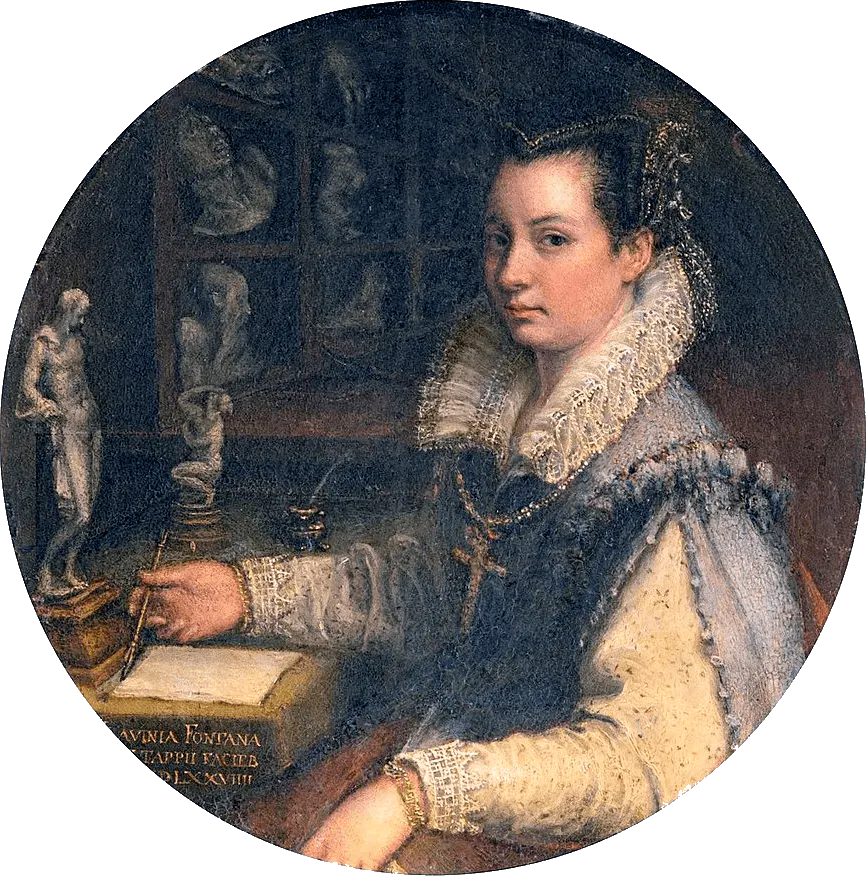
The artist quickly gained a reputation as a portrait painter, distinguished by her attention to detail in hairstyles and women's clothing in particular. Far from being monothematic, her work also included sacred and mythological subjects.
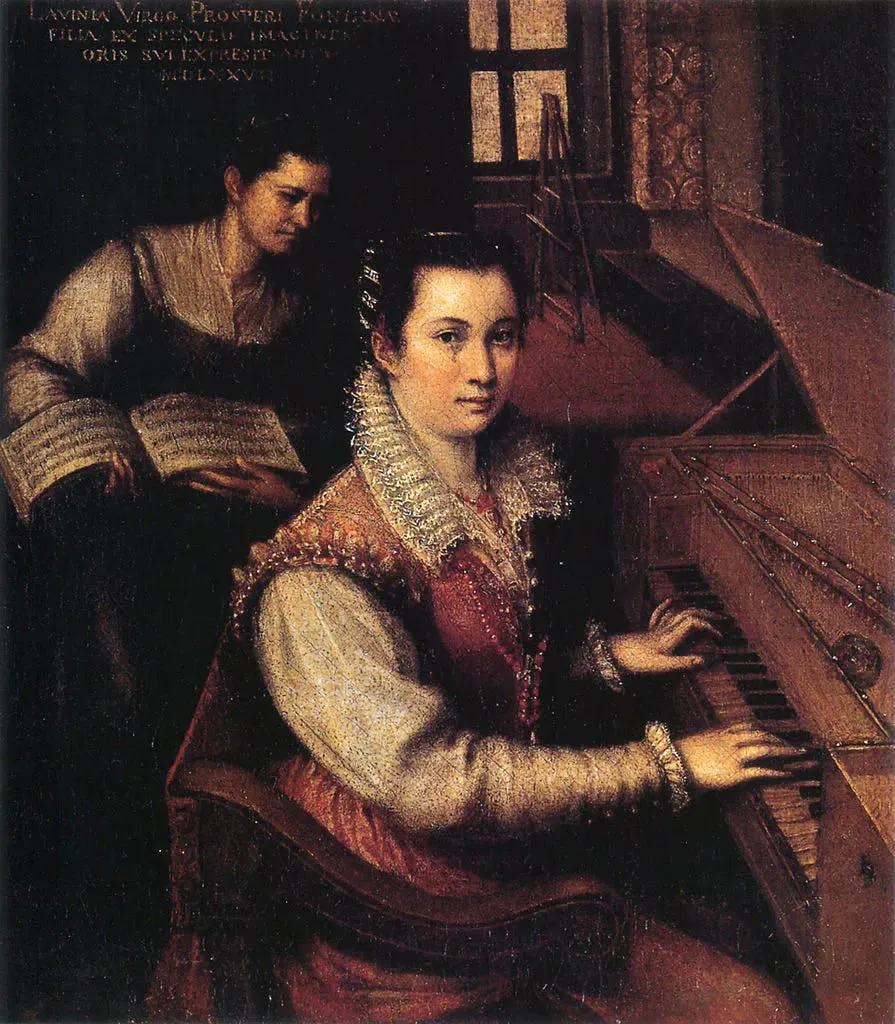
During her lifetime, however, the artist enjoyed great popularity and her growing success in Rome drew the attention of the new Pope Gregory XIII. Fontana executed numerous altarpieces and other works for the entourage of the papal court, which included diplomats and nobles, and thus she earned the nickname of Pontificia Pittrice ("Papal painter").
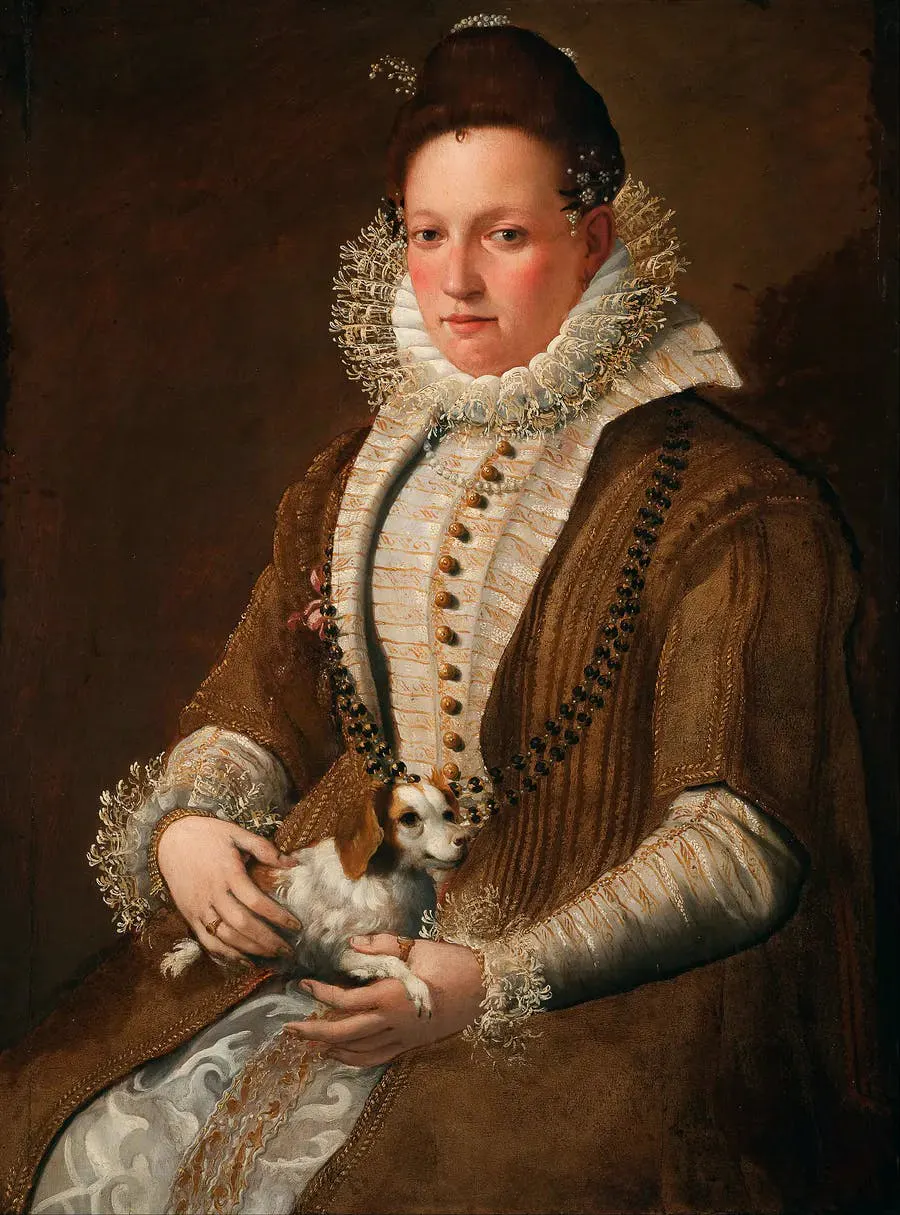
The painter also won the hearts of noblewomen. Roman ladies competed to be portrayed by Fontana or to have their children immortalized. Her artistic services even found favor with high-ranking figures across Europe such as King Philip II of Spain.
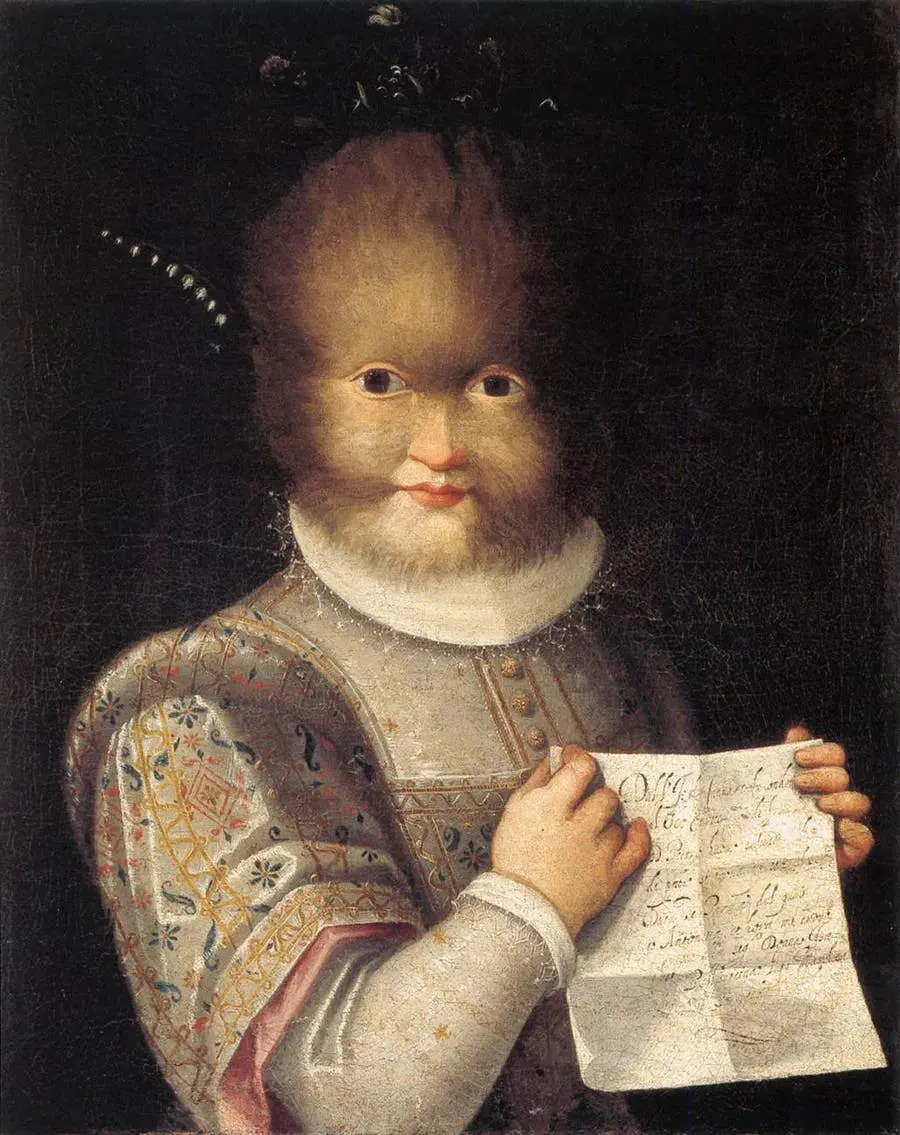
Fontana represented children in an unprecedented way for the era, with an almost maternal tenderness. The most striking example is the portrait of Antoinette (nicknamed "Tognina") Gonsalvus, or Gonzales, a girl suffering from hypertrichosis. The artist applied herself to portraying the young girl in an affectionate pose, bringing her childish and sincere attitude to the fore, instead of focusing on her skin condition.
Related: Artemisia Gentileschi: 5 Extraordinary Facts
Another aspect of Lavinia Fontana's career, although a bit morbid, were portraits of children who had passed. At that time, if a child died prematurely, it was customary to commission a portrait of them to preserve their memory. One example is the portrait Lavinia painted of Antonia Ghini, who succumbed to smallpox when she was very young.
Related: Five Centuries of the Nude in Painting
Lavinia Fontana is said to have been the first to paint female nudes, and possibly the first to use live female models, at a time when it was still believed that painting of nudes was inappropriate for women.
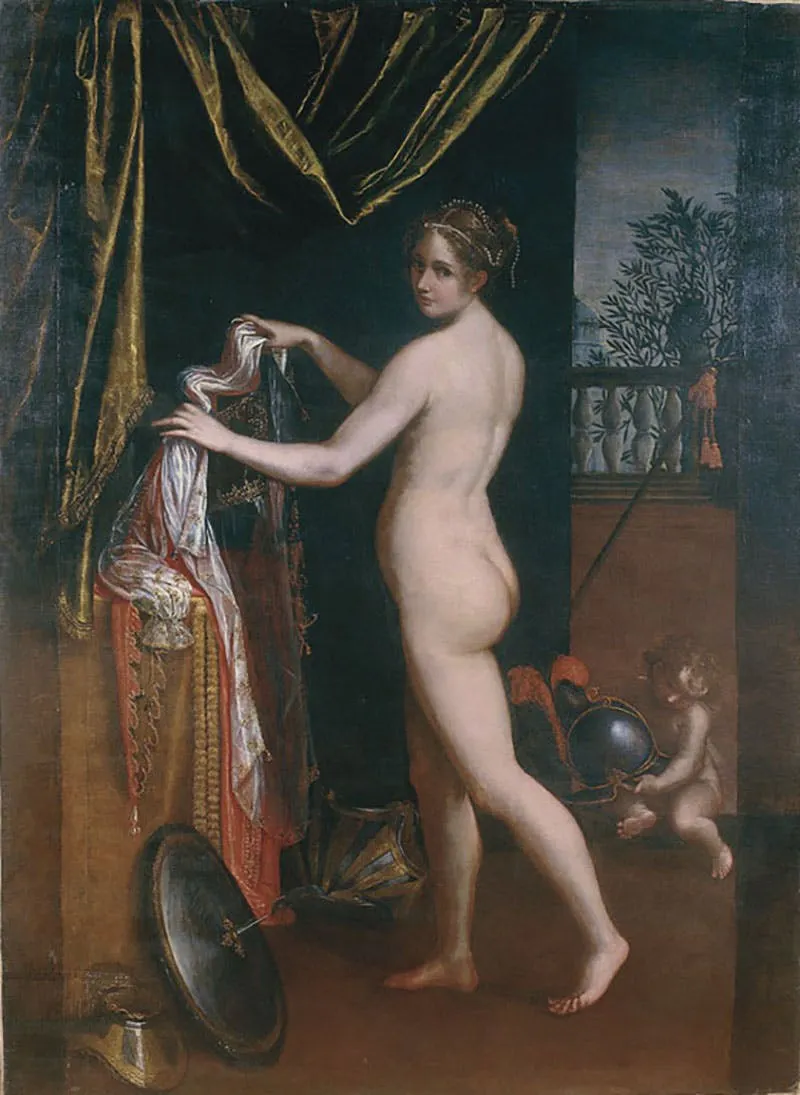
It is not surprising that one of her most famous works is the painting Minerva Dressing, housed in the Galleria Borghese in Rome. In this painting, considered by some to be her greatest artistic achievement, the famous goddess is depicted naked, staring at the viewer as she dons her mantle. Throughout history, Minerva had rarely been portrayed without her veil and the choice of Lavinia Fontana does not seem trivial, as it could symbolize a kind of homage to the deity. At the time, nudity was associated with the idea of purity. In Titian's painting Sacred Love and Profane Love, for example, sacred love is symbolized by the half-naked woman, while profane love is embodied by a woman in opulent dress.
Related: On Rocky Paths: Female Artists from the Renaissance and Enlightenment
In addition to her impressive output, Lavinia Fontana gave birth to 11 children, successfully combining her duties as a mother and her work as a painter. She provided the main source of income for the family and even opened her own artist studio.
The recipient of numerous awards throughout her career, Fontana was the first woman to be elected to the Accademia di San Luca, and in 1611 a commemorative medal was struck in her honor.
Related: The Enduring Appeal of Old Masters
After retiring to a monastery in 1613, Fontana died in Rome in 1614, surrounded by her three surviving children. This extraordinary woman and artist, who left an immense artistic heritage, was ahead of her time and established herself as an obvious reference for future painters. Lavinia Fontana received a burial worthy of the greatest, next to the Pantheon, in the prestigious church of Santa Maria sopra Minerva.
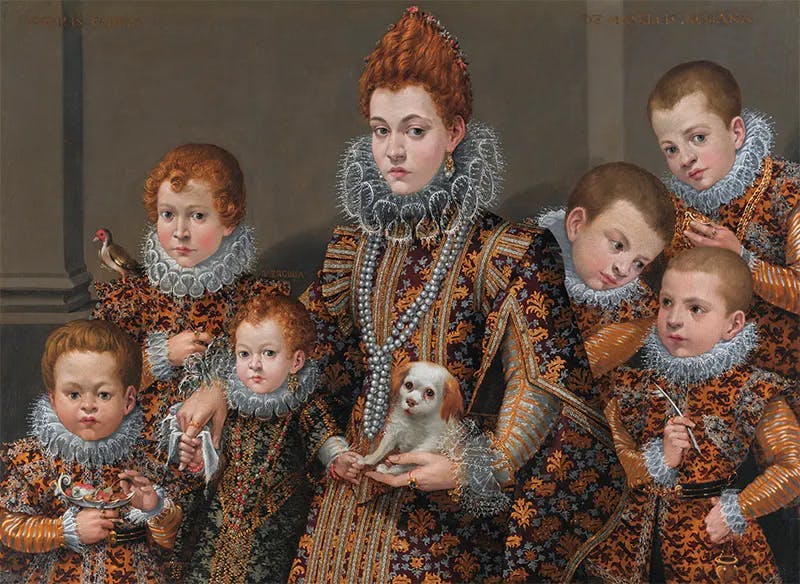
Today, her works continue to receive high prices on the auction market, especially as Old Masters work is in the spotlight. Her current record stands at $602,500 for the Portrait of Bianca degli Utili Maselli, which sold at Sotheby's in 2012.
Discover more articles on the history of art on Barnebys Magazine!