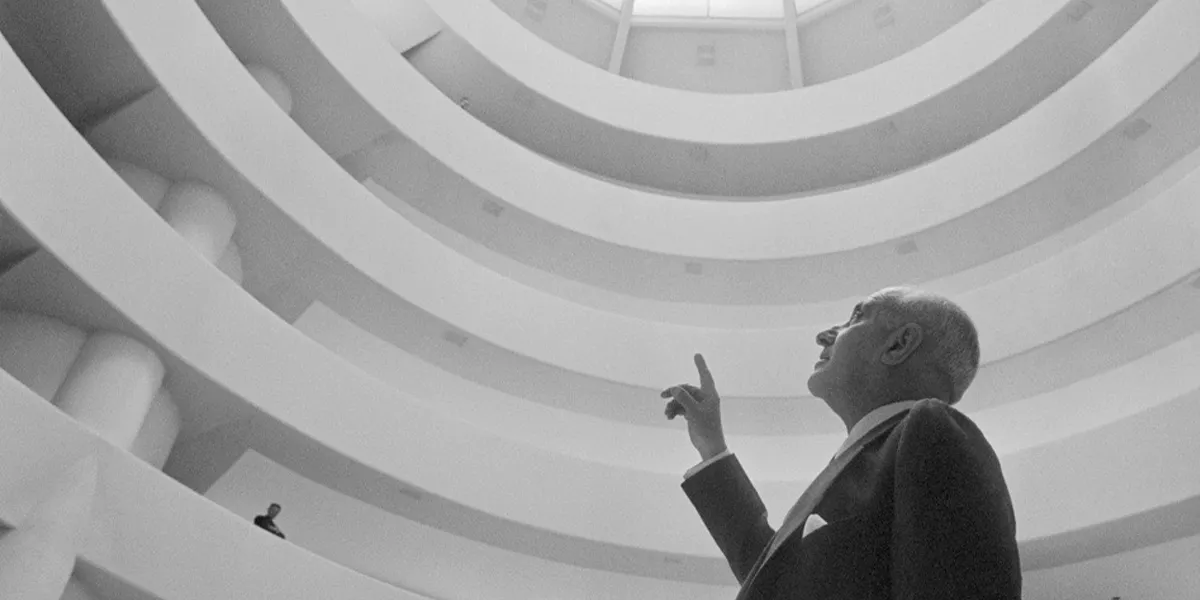
"I am convinced that it is a duty to use inherited wealth for the progress of mankind and not for mere self-gratification, which undoubtedly does not lead to a happy life," was the guiding principle of Harry Frank Guggenheim (1890-1971) throughout his life.
See also: Peggy Guggenheim: 7 Fascinating Facts
Harry Guggenheim, who served as the American ambassador to Cuba, was a naval aviator in both World Wars, a successful racehorse breeder, and a co-founder of the newspaper Newsday. He mainly pursued this belief through the Harry Frank Guggenheim Foundation, which he established in 1929. This scientific foundation promoted research into violence and aggression and their societal impacts. Additionally, he held the position of president of the Daniel Guggenheim Fund for Aeronautics, initiated by his father, and served as chairman of the board of trustees of the Solomon R. Guggenheim Foundation, founded in 1937 by his uncle, Solomon R. Guggenheim. In this capacity, he played a crucial role in significant acquisitions for the museum and advocated for Frank Lloyd Wright's controversial design of the museum building that opened in New York in 1959.
Want to keep up with the latest auction news? Subscribe to our newsletter!
Sotheby's 'Modern Evening Auction' in New York on November 18 will feature three significant works from Harry F. Guggenheim's personal collection, which he acquired 70 years ago. This marks their debut on the art market.
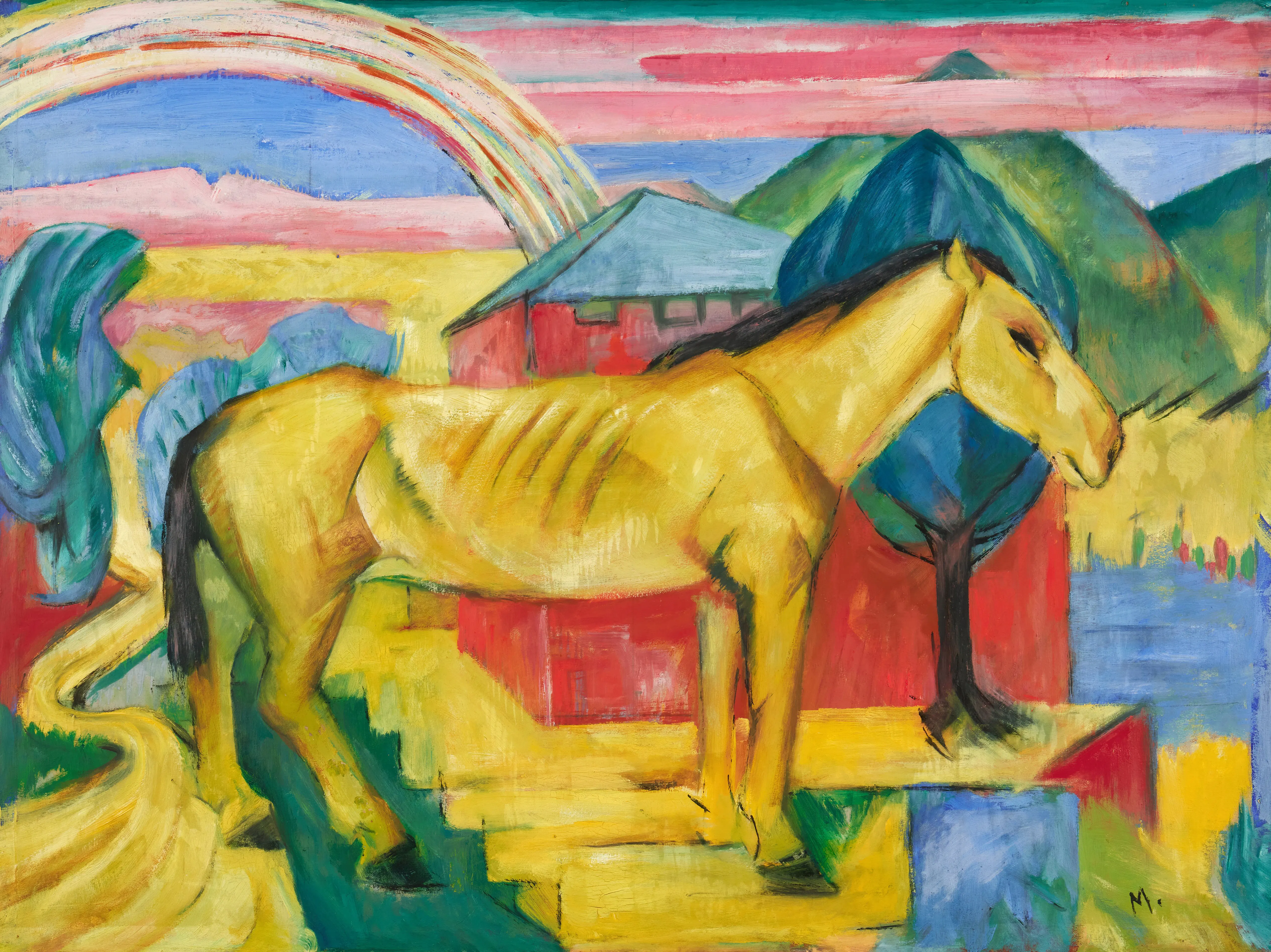
Up for auction is Franz Marc's The Large Yellow Horse, created in 1913—a year that also produced notable works such as Animal's Fate, Foxes, and the now-missing The Tower of Blue Horses, lost since World War II. Animals held a special significance in Franz Marc’s oeuvre; he regarded them as pure beings living in harmony with nature. Instead of simply depicting their outward appearance, he aimed to express their inner essence, using a self-developed colour symbolism to do so.
See also: Franz Marc: A Creative Powerhouse
Also being offered is La Femme noire, one of the most significant sculptures from Paul Gauguin’s oeuvre. Gauguin began experimenting with ceramics in the winter of 1886/87, during which he first engaged with non-European styles. The inspiration for this ceramic figure came during his stay on the Caribbean island of Martinique, where he travelled in 1887 in search of an untouched paradise—a quest he later hoped to fulfil in Tahiti.
See also: Paul Gauguin: The Lost Innocence
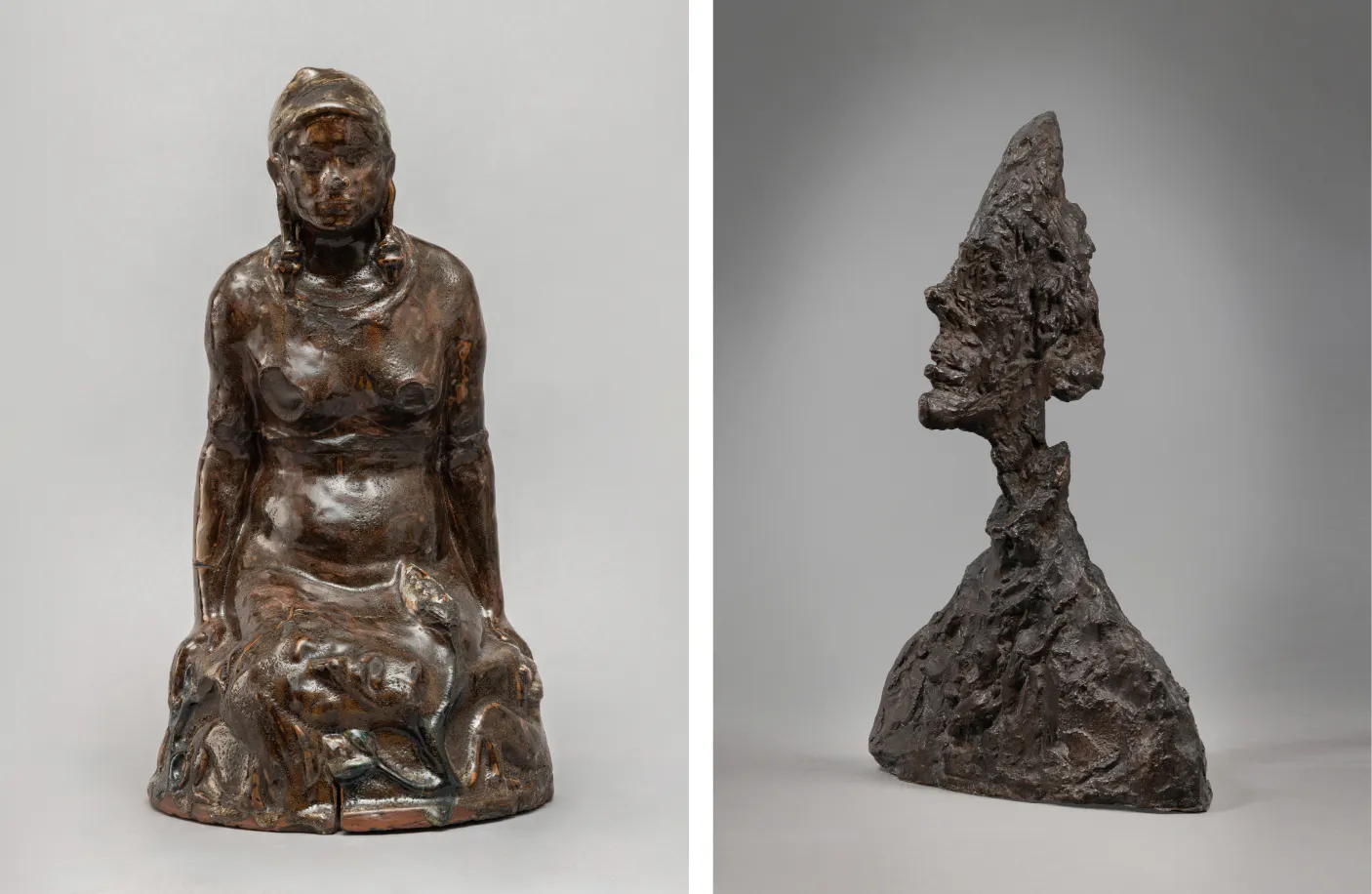
The bronze Buste (Tête tranchante) (Diego) by Alberto Giacometti was acquired by Harry Guggenheim shortly after its completion in 1954 and loaned to the Solomon R. Guggenheim Museum for Giacometti’s first museum exhibition the following year. This exhibition marked the institution's first major showcase dedicated solely to sculpture.
See also: Alberto Giacometti: The Unbearable Lightness
"Harry Frank Guggenheim exhibited an extraordinary drive for innovation, with contributions that profoundly influenced the very fabric of American life. These works, which will be coming to the market for the first time in nearly 70 years, serve as a testament to his bold vision, offering rare insight into the personal tastes of a man who was so critical in shaping modern art as we understand it today. They present a unique opportunity for collectors to continue in that esteemed legacy," said Fergus Duff, Senior Director and International Expert at Sotheby’s.